
Across the Highlands, many independent museums are facing the same challenge: how do you keep delivering great experiences for visitors when time, money and capacity are increasingly stretched? At Museums and Heritage Highland, we’ve spent a lot of time listening to museums about these pressures and thinking about what practical support could make the biggest difference.
That’s where Pathways to the Future comes in. Funded by Museums Galleries Scotland, this two-year pilot is exploring whether a shared-services approach can help rural museums become more sustainable, resilient and better equipped for the future. Working alongside eight independent museums, the project brings together shared administrative support, commercial expertise, leadership development and governance and wellbeing support, all designed to reduce pressure, strengthen organisations and create a model that could continue long after the pilot ends.
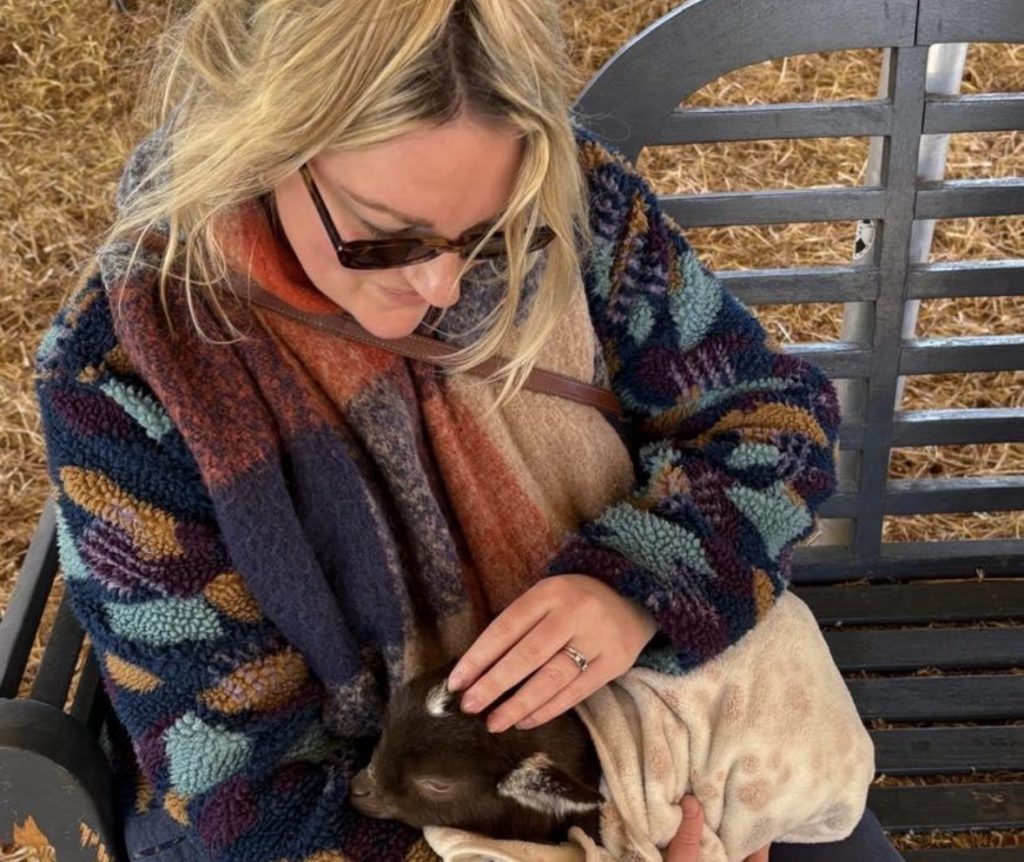
Over the coming months, we’ll be sharing updates from the people at the heart of the project. First up is Parris Joyce, one of our Museum Support Coordinators, reflecting on her first month in post and what it’s been like getting to know the museums, their people and the opportunities ahead:
‘When I saw this role advertised, I immediately resonated with it. I worked with Glencoe Folk Museum, located in the very south of the Highlands, for four years from 2021 until 2025. I relocated to work there and fully integrated myself into the Highland way of life, so I figured this role was well suited for me! I worked with MHH on the brilliantly fun online resource, Museum of the Highlands, so I knew how lovely the team are, how well they advocate for their museums and their group projects are always very innovative. I was a little reserved at the prospect of going freelance, but I took the plunge, and I’m so glad I did as I’ve been loving it so far.
I think the biggest challenge of this project (but equally the most exciting aspect of it too) is working with four different museums. It’s a lot of people, names, places, collections, stories, objects, projects, priorities and ways of working to learn about and adjust to. Below are some insights and thoughts on the four museums I’ll be working with, in order of me visiting them.
Historylinks Museum
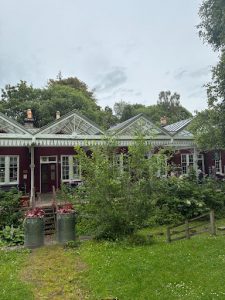
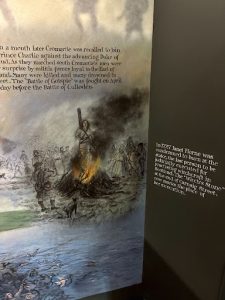
Funnily enough, I had already met some of the team before, as I gave them a private tour of GFM back in 2021! So, it was a nice full circle moment. Upon visiting, I loved the extension building and was impressed with how much contemporary artwork they displayed. I enjoyed seeing the beautiful dress which is a part of the Highland Threads project and discovering the last witchcraft execution in Scotland happened in Dornoch (this combines my love of folklore and women’s history, although in a pretty gruesome way). The biggest challenge for me here is that the current Curator, Lynne, is retiring imminently. However, a new Curator will be starting soon which is exciting and I can’t wait to meet her.
Highland Museum of Childhood
This was the only museum I had already visited in-person. Back in 2022, I did a trip north to visit Gairloch Museum for a MHH conference. On the way, I stopped at the Highland Folk Museum and HMoC! With a learning background and love of working with children, this collection is perfect for me. Morven, the Curator, has a really clear vision of what I could help with and leaned into my previous experience, so there are some longer-term projects revamping HMoC’s existing learning programmes and resources which will be fun.
Tain & District Museum
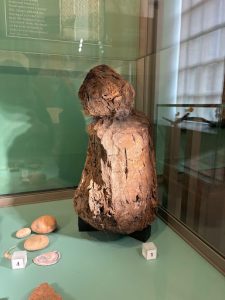
I didn’t know much about this museum but I thoroughly enjoyed meeting Jason, the Manager, and the team of volunteers and Trustees. What came across to me is how personalised their approach is here – many of their visitors tend to have an existing connection or interest in Clan Ross. The museum leans into this and offers bespoke experiences through personalised tours both onsite and offsite, often partnering with Balnagown Castle, the ancient seat of Clan Ross. They also do a lot of genealogy research, a time-consuming task but an increasingly popular service. These undoubtedly impress their visitors and translate to ongoing support in the future. Strathnaver Museum has a Clan Mackay archive and has similar buildings and surroundings to Tain & District Museum, so I hope to learn more about how these museums use this to their advantage and share best practices.
Strathnaver Museum
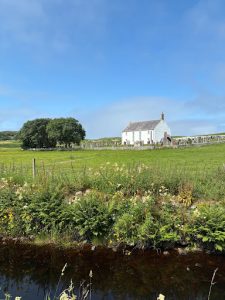
The other three museums are clustered together, with Strathpeffer and Dornoch only being 37 miles away from one another (which is practically round the corner in Highland terms), but Strathnaver Museum stands alone as it is the most northerly of all my museums – and indeed out of all eight participating in the project! The museum is located in Bettyhill in an old parish church, surrounded by a graveyard, has an annex building, offsite café and meadow (home to the Great Yellow Bumblebee). Stepping out my car, I heard the rhythmic roaring of the Atlantic Ocean just metres away and thought… this museum really is in a truly idyllic setting! During my tour with Fiona, Manager of SM, I was impressed by the contrast with the modern exhibitions and interpretation to their ancient and rustic objects, as it completed a redevelopment in recent years.
I’m so grateful for this opportunity, not only will I gain networking opportunities and experience in the day-to-day aspects of running a museum, but I feel like it will make a real difference to these museums and their one or two staff members. I am pleased to have a counterpart in Sophie, as we will be able to support one another and share our experiences, which in turn we can then share with our group of museums.