Meet the Team: Sophie Reflects on Her First Month

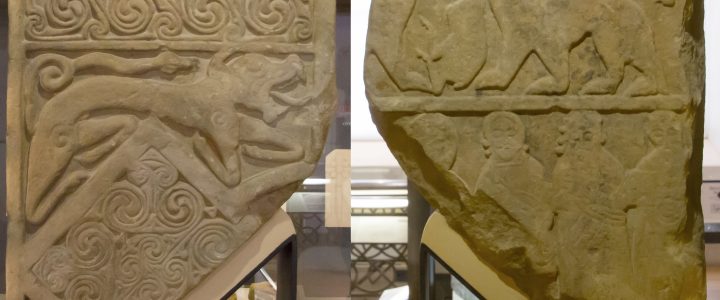
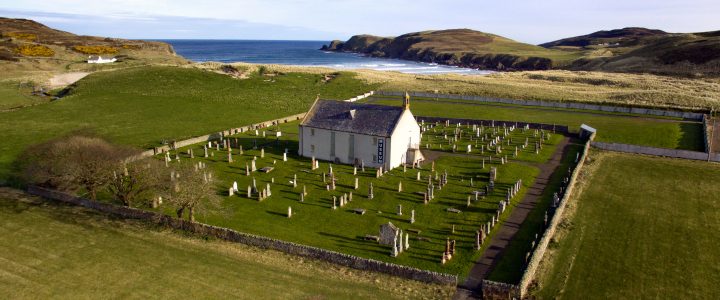
The Dragon and Apostle Stone

Museums across the Highlands are doing extraordinary work with small teams, limited resources and an unwavering commitment to their communities. But with increasing demands on staff and volunteers, finding new ways to work sustainably has never been more important.

Pathways to the Future is a two-year pilot, funded by Museums Galleries Scotland, that is exploring how a shared-services model can help rural museums thrive. Bringing together eight independent museums, the project provides shared administrative support, commercial expertise, leadership development and governance and wellbeing support, with the aim of reducing pressure, building resilience and creating a model that can be sustained beyond the life of the project.

As the project develops, we’ll be introducing you to the people bringing it to life. This time, it’s Sophie Craig, one of our Museum Support Coordinators, who shares her reflections on her first month in post, from meeting museum teams and discovering unique collections to finding her feet across four very different museums:

‘It’s been just over a month of working with MHH, and it’s certainly been jam-packed.

When I took on the role of Support Coordinator for four museums across the Highlands, I didn’t quite know where I’d be travelling or who I’d be working with. I’m from Arrochar originally, so places like Inverness are not somewhere I’m the most familiar with, so it definitely felt a little daunting. A month in, and I’ve already been lucky enough to meet some fantastic people and visit some incredible places, that has taken me across the country. Looking back on the first few weeks, here are a few of my reflections.

1. Why does working on a train always feel so much more productive?

Whether it’s because there are fewer distractions (or people watching seems fair game) or because the scenery adds a bit of bounce to the virtual office, there’s something about opening a laptop on a train that makes the to-do list fly by. The Glasgow to Inverness train is definitely at its best in the morning. Not only is it one of the most scenic journeys, but there’s something lovely about people-watching as everyone heads off on their own adventures while you’re busy writing a marketing plan.

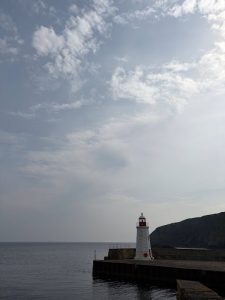
2. If you can tell your friends that today you worked overlooking a harbour and a lighthouse, you’re doing alright.

One of the biggest perks of this role has been the places it has taken me. I’ve found myself working in some truly beautiful locations, each with its own unique story to tell. It’s not every job that lets you step away from your desk and be surrounded by such incredible landscapes and communities. There’s something a wee bit smug about putting your work day on the family group chat and it’s a photo of the lighthouse outside the Waterlines Museum.

3. Every museum is completely different, but they all have so much potential.

This has probably been my biggest takeaway so far. I’ve been fortunate enough to visit Grantown Museum, Mallaig Heritage Centre, Tarbat Discovery Centre and Waterlines in Lybster, and while each one is completely different, what struck me most wasn’t just the collections or the buildings – it was the opportunity within each of them.

At Grantown Museum, I loved the feature they have for folk to dress up and step back in time, experiencing history in a way that felt interactive and fun. At Mallaig Heritage Centre and Waterlines, I found myself learning so much about harbours, fishing, water and the stories that have shaped coastal communities. Local collections and artists are at the forefront and there’s such a great link there to really celebrate the local community. I really loved one particular story in Mallaig about M.E.M. Donaldson, who used to go around in a little green mobile box and take photos of the local community.

Tarbat Discovery Centre offered yet another perspective, showing how local history can be brought to life through fascinating archaeology and storytelling, and the building itself is so cool, with loads of interactive bits for wee ones and families! The testimonials and feedback that visitors had left was a credit to all the amazing work Sam and her volunteers do.

Each museum has its own personality, its own challenges and its own audience, but they all share one thing: endless scope to be creative. Whether that’s through marketing, events, interpretation, exhibitions or finding new ways to engage visitors, there’s so much exciting work to be done, and I’m really looking forward to being part of that over the next couple of years.

4. Everyone is so eager to share what they do.

The thing that has made the biggest impression on me hasn’t just been the museums themselves, but the people behind them. Every visit has been met with such enthusiasm, generosity and passion. Nothing seems like too big of an idea and It’s been brilliant hearing everyone’s focuses, learning about their ambitions and seeing just how much people care about preserving and sharing their local heritage.

Here are a few photos from my visits so far! A huge thank you to Dan, Donna, Morag and Sam for making every visit so enjoyable. I’m really looking forward to working together over the next couple of years and seeing what we can create together.

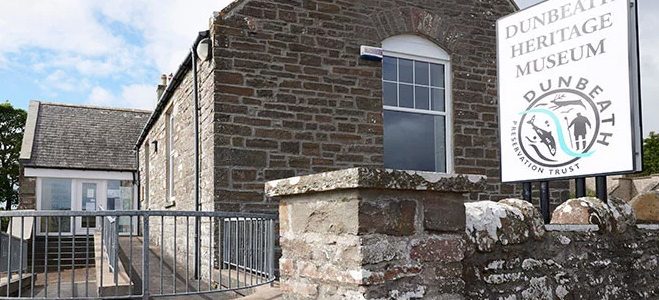
Dunbeath Heritage Museum

Dunbeath Heritage Museum

Dunbeath Heritage Museum tells the story of the people of South-East Caithness. On display are artefacts illustrating the unique archaeology of the area, including Prehistoric stone and bronze axes, finds from an Iron Age Broch, a Medieval silver coin hoard, a Pictish stone and much more. It hosts a social history collection reflecting the village’s fishing heritage, the story of locals through the wars, and displays information and artefacts from the Duke of Kent’s tragic 1942 plane crash at Eagle’s Rock. The museum also tells the story of Neil M. Gunn, one of the most important writers of Scottish fiction of the 20th century, who was born in Dunbeath and went to school in the 19th century building which now houses the collection.

Dunbeath Preservation Trust also cares for historic buildings at Dunbeath Harbour, where you can see its storehouses, bothy and ice house, all providing a wonderful commentary on Dunbeath’s own ‘boom’ period during the 19th century’s ‘dash for the fish’.

Facebook: https://www.facebook.com/DunbeathHM
Website: www.dunbeath-heritage.org.uk
Email: info@dunbeath-heritage.org.uk

Wanted | Independent Evaluation Partner – Pathways to the Future

Wanted | Independent Evaluation Partner – Pathways to the Future

Museums and Heritage Highland (MHH) is seeking an experienced evaluator to work alongside us on ‘Pathways to the Future’, an ambitious two-year pilot project exploring a new shared-services model across eight independent rural museums in the Highlands.

This is an opportunity to contribute to a project that aims to strengthen the resilience, sustainability and long-term future of small museums while generating learning that could benefit the wider heritage sector.

Contract Value: Up to £10,000 (inclusive of VAT and expenses)
Contract Period: July 2026 – June 2028
Location: Primarily remote

Key Dates

Application Deadline: Wednesday 1 July 2026, 5pm
Interviews: Tuesday 7 July or Wednesday 8 July 2026

About Pathways to the Future

Pathways to the Future is a two-year pilot project, funded by Museums Galleries Scotland, testing whether a shared-services approach can help rural museums become more sustainable, efficient and resilient.

Working with eight independent museums, the project includes:

  • Two shared Administrative Managers supporting museum clusters
  • A Commercial & Sustainable Growth Manager working across all eight museums
  • A Strategic Leadership Group
  • Board development and wellbeing support

The project aims to increase earned income, reduce administrative pressures, strengthen governance and leadership, and develop a financially viable model that could continue beyond the pilot period.

We are looking for an evaluator who can provide independent insight, analysis and learning throughout the life of the project.

MHH will coordinate routine monitoring and data collection, allowing the Evaluation Partner to focus on assessing impact, analysing outcomes and identifying lessons for the future.

The successful applicant will:

  • Co-develop a Theory of Change and evaluation framework
  • Review baseline organisational and financial data
  • Conduct a small number of stakeholder interviews
  • Deliver a midpoint review
  • Assess the sustainability and viability of the model
  • Produce case studies and a final evaluation report

Applicants should demonstrate:

  • Experience evaluating complex or multi-partner projects
  • Experience assessing organisational change and financial sustainability
  • Strong qualitative and quantitative analysis skills
  • An ability to work proportionately with small organisations
  • Excellent communication and report-writing skills

Experience within the heritage, culture or third sector is welcome but not essential.

Independent museums play a vital role in preserving local heritage, supporting tourism and strengthening communities, yet many face increasing pressures around capacity and sustainability. Pathways to the Future seeks to test a practical new approach that could help museums collaborate more effectively and build long-term resilience. The Evaluation Partner will play a key role in understanding what works, what doesn’t and what lessons can be shared across the sector.

How to Apply

Please submit:

  • A proposal outlining your methodology and approach (maximum 10 pages)
  • Examples of relevant experience
  • A breakdown of proposed days and costs
  • CV(s) of key personnel

Applications should be sent to nicola.henderson@museumsandheritagehighland.org.uk by 5pm on 1 July 2026.

Downdload the full tender below

ITT_evaluationpartner – Pathways_draft


Join Us – Museum Operations & Support Coordinators

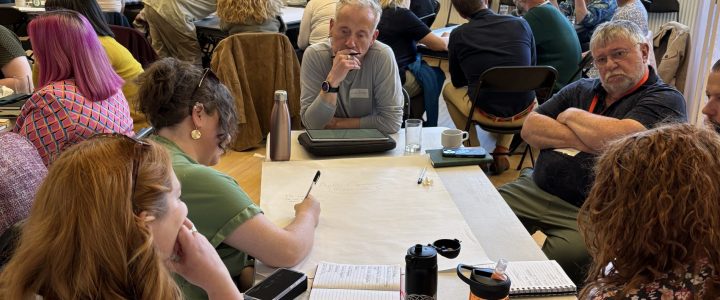
Group image of people is a light, airy space talking and laughing

Museums and Heritage Highland is seeking two freelance Museum Operations & Support Coordinators to join our Pathways to the Future project, funded by Museums Galleries Scotland, and help strengthen the sustainability and resilience of museums across the Highlands.

Inspired by collaborative working and practical support, these new freelance roles will work directly with clusters of small and rural museums, helping reduce operational pressure and creating more space for strategic thinking, creativity and community impact.

About the Project

Pathways to the Future is a collaborative initiative led by Museums and Heritage Highland supporting museums to work in more connected, resilient and sustainable ways.

The project recognises the growing pressures faced by many museums – particularly small, volunteer-led and rural organisations – and aims to provide hands-on operational support where it is needed most.

Each coordinator will support a cluster of up to four museums, working flexibly with each organisation to identify practical support needs and improve day-to-day operations.

The Role

The coordinators will provide a mixture of operational, administrative and organisational support tailored to the needs of participating museums. This may include:

  • Supporting finance and administration systems
    Coordinating visitor services and reporting
    Assisting with marketing and communications activity
    Helping streamline systems and shared ways of working
    Supporting training, wellbeing and organisational development initiatives
    Exploring opportunities for collaboration and shared resources across museums

The role is designed to ease pressure on museum staff and volunteers while helping organisations build confidence, capacity and long-term resilience.

Key Details
Role: Museum Operations & Support Coordinator
Number of roles: 2
Contract: Freelance fixed-term role (2 years)
Fee: £30,000 per annum (£60,000 over two years)
Hours: Around 35 hours per week
Location: Home-based with travel across the Highlands as required
Start Date: 29 June 2026 (or as close as possible)

Who We’re Looking For

We are looking for organised, collaborative and proactive people who are passionate about supporting museums and heritage organisations to thrive.

You may already have experience working in museums, heritage, arts, cultural, community or voluntary organisations and be comfortable balancing multiple priorities across different teams and locations.

We’d especially like to hear from people who:

  • Enjoy practical problem-solving and improving systems
    Communicate well and build positive working relationships
    Are confident working independently and collaboratively
    Have strong organisational and digital skills
    Understand the challenges facing small and rural museums
    Can provide supportive, flexible and people-focused assistance

Experience in marketing, administration, operations or coordination work within the cultural or community sector would be particularly valuable.

How to Apply

Please submit:
Your CV or details of relevant experience
A covering letter (maximum 1000 words) explaining your suitability for the role

We also welcome alternative application formats, including:
A video application (maximum 5 minutes)
A PowerPoint presentation (maximum 10 slides)

Applications and enquiries should be sent to:

Nicola Henderson
nicola.henderson@museumsandheritagehighland.org.uk

Deadline

Applications close: 1 June 2026 at 5pm

Further Information

Full details about the role, responsibilities and person specification can be found in the Job Pack.

Pitch opportunity: create a digital walking tour to showcase historic images for Cromarty Museum

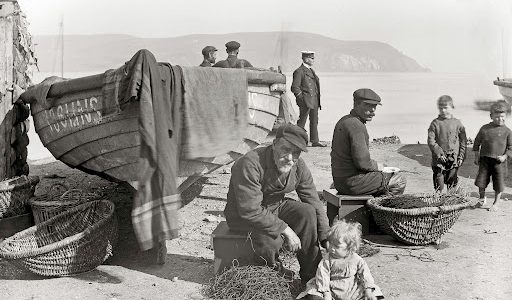
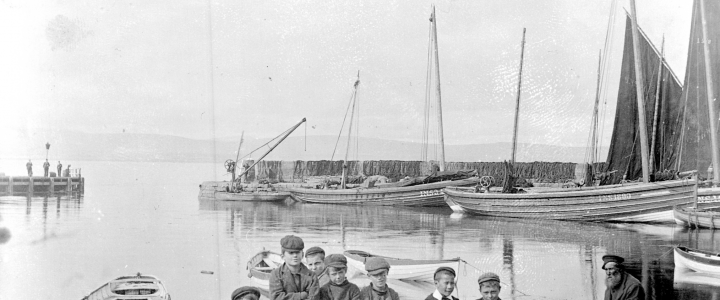
A group of fisher boys at Cromarty harbour - Willie John Smith (Cromarty Museum)

Cromarty Museum is looking to commission a production company to design and deliver a location-based digital heritage experience based on a significant photographic collection documenting Cromarty’s historic fishing community. This opportunity is available through the Highlands and Islands Digital Heritage Network, a National Lottery Heritage Fund digital development programme.

The project will showcase a 1903 collection of photographs by Willie John Smith, providing public access to part of the museum’s collection during its extended closure for redevelopment. The images document the working lives, social conditions, dress and community relationships of Cromarty’s fishing community at the beginning of the 20th century. The photographs represent a way of life that has since disappeared and are of strong local and national interest.

The project aims to engage local community members to co-create new content including oral history, forming part of an immersive audio narrative. The museum is keen to explore how innovative digital technology can elevate the walking tour experience. For example, through subtle animation to bring historic photographs to life and through creative use of sound and storytelling.

The final output will be a free, mobile-access location-based 8-10 stop digital walking tour through the town of Cromarty, and a fully accessible online version for remote audiences.

The project will launch in mid-August 2026..

About Cromarty Museum
Cromarty Museum collects and exhibits the cultural heritage of the historic town of Cromarty and the surrounding area on the Black Isle. It’s building is a Grade A former courthouse currently operating reduced opening hours as they work towards capital redevelopment. This project will allow the museum to continue to share the history of the town with its visitors – local, national and international – during this period of closure.

Budget and requirements
The total project budget is £18,500 ex VAT

Submission requirements
Interested production companies are invited to submit:

  • A short statement of interest
    Relevant examples of previous digital heritage or location-based work.
    Outline creative approach.
    Initial technical proposal.
    Proposed budget breakdown (creative, technical development, production, testing, contingency)
    Key personnel and experience.
    Confirmation of availability within the proposed timeline.

  • Download EOI_Cromarty_Museum here

Deadline
The deadline for responses is Friday 10 April 2026 at 5pm.
Submissions should be sent to curator@cromartymuseum.org.uk

MGS Advocacy Campaign – get involved!

MGS Advocacy Campaign – get involved!

Museums Galleries Scotland launches national advocacy campaign ahead of the 2026 Scottish Parliament election, calling on political parties to recognise museums as essential civic infrastructure.

Museums Galleries Scotland has launched a national advocacy campaign, Museums: Scotland’s Stories, Scotland’s Future, and is urging museums across the country to actively take part ahead of the 2026 Scottish Parliament election on May 7th.
The campaign responds to pressure on cultural funding and increased attention on the role of civic institutions. It aims to ensure museums are visible in political debate and recognised not only as custodians of the past, but as active contributors to Scotland’s future.

David McDonald, Senior Advocacy and Public Affairs Manager at MGS said:
“The months ahead offer us an opportunity to shape how museums are understood by those who will hold power in the next Parliament. Scotland’s museums support learning, wellbeing, community connection, local pride, and economic recovery every day. If these contributions are not clearly articulated, museums risk being overlooked when national priorities are set.”

This campaign aims to make a clear and positive case for sustained investment and recognition. It brings together four national policy asks that highlight where government action can make the greatest difference, they are:
– Multi-year support for the Museum Futures programme
– Recognition of museums as forces for social good
– Support for museums as trusted civic spaces for inclusion
– Capital investment to reduce museums’ carbon footprints and adapt for a changing climate

In addition to these national priorities, the campaign provides every museum with the opportunity to add its own local fifth ask, connecting national ambition with local need. By gathering and aligning these local priorities, MGS aims to demonstrate that challenges facing museums are systemic and that investment in the sector supports national outcomes through local action.

​MGS has created a toolkit  to make it simple for museums of all sizes to take part in the campaign. The toolkit includes various templates to help museums engage with local candidates, create social media content, and send out press releases.

Winter Pause or Quiet Beat? Highland Museums Adjust Hours

Winter Pause or Quiet Beat? Highland Museums Adjust Hours

As the evening’s grow longer and the days shorter, many of our Highland museum adjust their opening schedule. Some go into hibernation for a few months, re-launching with gusto around Easter, but a growing number stay open during the quieter season – just with slightly reduced hours. Will you be travelling to the Highlands this winter and looking for a heritage fix? Then please do check ahead to ensure you time your visit just right. Many that are closed, will open just for you if you get in touch in advance so even if the hours don’t suit – all is not lost

Seasonal opening isn’t just about visitor numbers — it’s about balance. For many Highland museums, closing or scaling back in winter is what keeps them sustainable the rest of the year. It’s a time to care for collections, rest and retrain staff and volunteers, fundraise and prepare new displays, projects and/or exhibitions. For those that stay open, even on reduced hours, it’s a lifeline for local people — a warm welcome, a place to connect and a reminder that heritage is about people. The rhythm of opening and closing mirrors Highland life itself: responsive, resourceful and rooted in community.

MuseumWinter / Seasonal NotesSpecific Hours (if published)Website
Gairloch MuseumPartial winter openingNov 3 – Dec 17, 2025: Wed–Sat 10:00 – 4:00. 10:00 – 5:00. https://www.gairlochmuseum.org/visit
Strathnaver Museum, BettyhillSeasonal / reduced winter hoursTue–Thu 10:00 – 2:00 Outwith hours: by arrangementhttps://www.strathnavermuseum.org.uk/visit-us/
Groam House Museum (Rosemarkie / Black Isle)Seasonal / limited winter opening1 Nov – 14 Dec: open Saturdays & Sundays 11:00 – 2:00https://groamhouse.org.uk/
Waterlines Heritage, LybsterOpen year-round – hours may be slightly reducedWednesday – Saturday 10am – 3pmhttps://waterlineslybster.co.uk/
Inverness Museum & Art GalleryReduced / winter schedule (remains open)Nov–Mar: Tues–Thurs 12:00 – 16:00; Fri & Sat 11:00 – 16:00; closed Sun & Monhttps://www.highlifehighland.com/inverness-museum-and-art-gallery/
West Highland Museum, Fort WilliamOpen year-round – hours may be slightly reducedMon–Fri 10:00 – 16:00; Sat 10:30 – 16:00https://www.westhighlandmuseum.org.uk/
Timespan, HelmsdaleReduced hoursPhone ahead to checkhttps://timespan.org.uk/visit/
Culloden BattlefieldOpen year round3 Nov–28 Feb 2026, daily, 09.00–16.00https://www.nts.org.uk/visit/places/culloden/planning-your-visit
Grantown MuseumSeasonal (closed in winter)Visit by appointment may be possible – phone aheadhttps://www.grantownmuseum.co.uk/
Highland Museum of Childhood, StrathpefferSeasonal (closed in winter)Visit by appointment may be possible – phone aheadhttps://highlandmuseumofchildhood.org.uk/
Ullapool MuseumSeasonal (closed in winter)Visit by appointment may be possible – phone aheadhttps://www.ullapoolmuseum.co.uk/
Tarbat Discovery Centre, PortmahomackSeasonal (closed in winter)Visit by appointment may be possible – phone aheadhttps://www.tarbat-discovery.co.uk/
Tain & District MuseumSeasonal (closed in winter)Visit by appointment may be possible – phone aheadhttps://www.tainmuseum.org.uk/
Wick Heritage MuseumSeasonal (closed in winter)Visit by appointment may be possible – phone aheadhttps://www.wickheritage.org/
Historylinks Museum, DornochSeasonal (closed in winter)Visit by appointment may be possible – phone aheadhttps://www.historylinks.org.uk/
Glencoe Folk MuseumclosedUndergoing redevelopmenthttps://www.glencoemuseum.com/
Highland Folk Museum, Newtonmore Fully seasonal (closed in winter)Visit by appointment may be possible – phone aheadhttps://www.highlifehighland.com/highlandfolkmuseum/
Nairn MuseumSeasonal (closed in winter)Visit by appointment may be possible – phone aheadhttps://nairnmuseum.co.uk/
Cromarty CourthouseSeasonal (closed in winter)Visit by appointment may be possible – phone aheadhttps://www.cromarty-courthouse.org.uk/visit-us/
Dingwall MuseumSeasonal (closed in winter)Visit by appointment may be possible – phone aheadhttps://www.dingwallmuseum.info/
Arctic convoy museum, AultbeaSeasonal (closed in winter)Visit by appointment may be possible – phone aheadhttps://arcticconvoymuseum.org/
North Coast Visitor Centre, ThursoSeasonal (closed in winter)Visit by appointment may be possible – phone aheadhttps://www.highlifehighland.com/north-coast-visitor-centre/
Mallaig Heritage CentreSeasonal (closed in winter)Visit by appointment may be possible – phone aheadhttps://www.mallaigheritage.org.uk/index.php
Hugh Miller’s Birthplace Cottage and Museum, CromartySeasonal (closed from 9th November apart from special events)Visit by appointment may be possible – phone aheadhttps://www.nts.org.uk/visit/places/hugh-millers-birthplace

Working with young people – a digital toolkit

Working with young people – a digital toolkit

Young volunteers can bring something very special to a museum or heritage organisation. Fresh energy and ideas, new areas of expertise, more visitors, and opportunities for succession planning to name just a few.

This toolkit will help you to identify why young volunteers would benefit your organisation, how you could benefit them and how to go about recruiting. It will also provide you with tools, templates and tips to ensure everyone has a safe and positive experience.

This toolkit has been designed in partnership between Museums & Heritage Highland and Dingwall Museum with funding support from Museums Galleries Scotland and The Space.

Workforce wellbeing – a digital toolkit

Group image of people is a light, airy space talking and laughing

Workforce wellbeing is vital to ensuring the sustainability and resilience of our Museum and Heritage organisations. While our organisations work to deliver wellbeing benefits to our communities, it has become increasingly important that the wellbeing of our workforce is prioritised. As any in-flight safety briefing will tell you, ‘put on your own oxygen mask first’. If we do not provide our workforce with the tools necessary to identify and address concerns, they will be unable to provide the services to their communities.

In this toolkit we will look at tools, templates, workshops, and tips to help your organisation improve workforce wellbeing. It will help you to identify what your organisation is doing well and where it could be doing better. We will consider policies & practices, team working, culture, and collaboration & consultation.

This toolkit has been designed in partnership between Museums & Heritage Highland and Brora Heritage with funding support from Museums Galleries Scotland and The Space.

There are a set of template documents to accompany the above toolkit.
Download the Wellbeing Resource Pack here.

Highland museums to share skills and ambitions at major summit

Highland museums to share skills and ambitions at major summit

Action, innovation, and ambition are on the agenda at Air Faire, a major summit for Highland museum and heritage professionals taking place in Inverness later this month.

On May 22nd and 23rd, staff and volunteers from museums and heritage organisations across the Highlands and beyond will gather to discuss how they can build more resilient, inclusive, and sustainable futures for their communities.

Air Faire is being organised by Museums and Heritage Highland, a forum that facilitates connections between cultural organisations across the region. Siobhan Beatson, Director of Ullapool Museum and Chair of MHH, said: “Museums and heritage sites are vital to the culture, economy, and wellbeing of our communities. By sharing our knowledge and skills at Air Faire, we aim to realise our ambition for museums and heritage sites to serve as inspiring, innovative, and educational spaces where everyone is welcome.”

The diverse responsibilities of museums and heritage sites are reflected in the range of topics being discussed at the summit. Air Faire will feature panels on fundraising, volunteering, workforce wellbeing, and engaging with younger audiences, as well as workshops and talks on the role of Gaelic in museums, LGBTQ+ representation, and anti-racism.

Nicola Henderson, Innovation and Network Manager at MHH, added: “Air Faire offers a unique opportunity for people to exchange ideas, connect across disciplines, and develop creative new solutions to shared challenges. As well as welcoming a range of perspectives from cultural organisations across Scotland, we invite representatives of other industries to attend and explore the potential for collaboration with museums and heritage sites.”

The significance of Air Faire is highlighted by the range of panellists from key heritage organisations and funding bodies. This includes speakers from National Museums Scotland, Museums Galleries Scotland, the Museums Association, Historic Environment Scotland, and the National Lottery Heritage Fund. The summit is made possible thanks to funding from Museums Galleries Scotland and The Space, along with the support of our sponsors AOC Archaeology and Vernon Systems.

Air Faire builds on a series of successful initiatives undertaken by Museums and Heritage Highland. The forum has supported museums and heritage sites through the post-pandemic recovery by co-ordinating Highland Threads, an innovative digital exhibition which showcased museum collections from across the region; launching Museum of the Highlands, an online learning tool for schools; and running workshops and professional development opportunities for heritage workers.

For more information on the programme or to book tickets visit https://www.eventbrite.com/e/air-faire-tickets-1237430751689?aff=oddtdtcreator