Podcasting 101!

Podcasting 101!

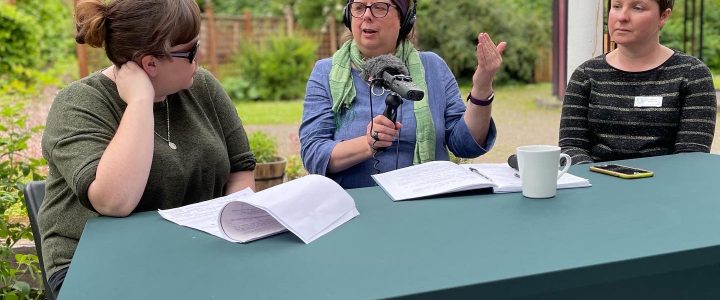
So you want to make a podcast? XpoNorth did a series of instructional blogs that go through the key skills of recording, editing and distribution. You can access them all here:

Podcast blog 1: Recording – https://xponorth.co.uk/blog/so-you-want-to-make-a-podcast-part-1-recording

Podcast blog 2: Mixing and Post Production – https://xponorth.co.uk/blog/so-you-want-to-make-a-podcast-part-2-mixing-and-post-production

Podcast blog 3: Distribution – https://xponorth.co.uk/blog/so-you-want-to-make-a-podcast-part-3-distribution

Good Governance

Good Governance

Governance is the term used to describe the trustees’ role in:

  • The long term direction of the charity, including its objectives or purposes;
  • Implementing policies and activities to achieve objectives;
  • Complying with legal requirements;
  • Accountability to those with an interest or ‘stake’ in the charity.

‘Good governance should happen throughout a charity. The trustee board is responsible for good governance but they rely on many different people to be able to govern well: staff, volunteers, advisors and stakeholders.’ – NCVO

“Good governance is fundamental to effective museum activity”

Charity trustees are the people who have the general management and control of the administration of a charity. Depending on the individual charity’s constitution, they may be called Board members, directors, management committee members, charity trustees, governors or patrons.

The underlying principles are contained in section 66 of the 2005 Act, which sets out charity trustees’ general duties. The charity trustees must act in the interests of the charity.

Most relevantly they must:

  • Seek to ensure that the charity acts consistently with its purposes
  • Act with care and diligence; charity trustees must manage the affairs of their charity with the same care and diligence that it is reasonable to expect of someone managing the affairs of another person

A board is accountable to:

  • Transparency is an integral part of board behaviour. On an individual basis this applies to trustees who must declare all interests and potential conflicts of interest, there must be no hidden agendas or divided loyalties. Reporting must be open and honest. Rolling internal audits ensure that controls are in place and working effectively;
  • Conflicts of interest need to be managed, this is a legal requirement. Where someone is a member or employee of another organisation then that relationship must be recorded and regularly updated. A trustee cannot represent the interests of another organisation while acting on behalf of the museum. A register of interests must be in place and updated every 12 months, alongside a current policy on conflicts of interest.
  • A board must acknowledge and manage risk. The Board retains overall responsibility for risk management and discusses and decides the level of risk that it is prepared to tolerate. It promotes a culture of prudence with resources but also understands that being over cautious and risk averse is itself a risk.

What Makes a Really Great Board?

  • Good boards must “Review, reflect, learn and develop” – Leading Governance. This is an ongoing process of skills development and learning (see The Learning Board by Bob Garrett), that is used to develop an ethos of improved effectiveness and best practice. The board that doesn’t commit to development risks not having the skills, expertise and diversity to lead its organisation successfully, Bob Garrett puts this very clearly in his book The Fish Rots from the Head –

For organisations to survive and grow, their rate of learning has to be equal to, or greater than, the rate of change in their environment”

  • A balanced, informed contribution from all trustees that leads to a consensus in direction. It’s essential that all voices are heard, that trustees arrive at meetings informed and prepared, and that there is an ability within a board to challenge and debate issues openly;
  • There must be transparency at all times to engender trust from stakeholders in the decision making process;
  • Mutual respect between trustees and between trustees, management and volunteers. There must be clear lines of communication and clarity of roles and responsibilities. To avoid undermining staff and risking reputational damage it is essential that the Chair and the CEO/Director/Senior Volunteer work closely together to ensure that all communications between board and staff goes through them. A common damaging habit is where trustees become involved in day to day operations;
  • A good chairperson is essential. They must have strong leadership skills, provide structured agendas and make sure that accurate and relevant information is available in a timely manner to enable the board to make effective decisions;
  • A proper process for ensuring ongoing board renewal must be in place. 9 years as a trustee is the maximum recommended by the Code of Governance 2010. Diversity should not be considered a ‘tick box’ effort. To really ensure that you fully represent all your stakeholders, and have the skills and experience in place to effectively deliver your organisational goals there must be genuine diversity on a board.

Role of the Board

  • The board should be clear about the museum’s purposes and ensure these are delivered;
  • Develop and leading the organisation’s mission and strategic direction in line with the museum’s purposes and values;
  • Ensure that the museum complies with all legal and regulatory legislation as a minimum requirement, ideally they should demonstrate leadership by continually improving and developing best practice;
  • Really effective planning and control, ensuring that agreed targets are in place and are measurable and achievable;
  • To ensure a high standard of governance, ethics and behaviours throughout the organisation, boards must lead by example and ensure trustees behave accordingly;
  • To select (and where appropriate remunerate) the CEO and ensure effective management;
  • To ensure adequate resources are in place, the board is responsible for ensuring that the organisation has a deliverable and realistic fundraising strategy in place.

Role of the Trustee

  • The trustee must effectively prepare for and contribute to board and committee meetings;
  • To be well informed about the organisation’s purpose, strategies, services and operating environment;
  • To be prepared to challenge the CEO in an open and constructive way, and to support them and their position within the organisation;
  • To advocate for the museum;
  • To maintain balance between strategy and management;
  • To question effectively and share responsibility for decisions;
  • To undertake other roles as required, for example interview panels, disciplinary appeals etc..;
  • To avoid even the appearance of a conflict of interest, disclose potential conflicts of interest immediately to the Chair.

Role of the Chair

  • To lead the board and ensure its effectively meeting its goals by
    • Making sure resources are used efficiently;
    • Ensuring high standards of governance and leadership at all times from the trustees;
    • Representing the museum;
    • Assessing and auditing the effectiveness of the board/trustees and putting in place processes for the continual development of the board – The Learning Board. Governance development should be a part of any strategic plans.
  • Ensuring the board is efficient and effective by
    • Properly planning meetings and making sure all trustees have relevant information to make decisions;
    • Putting in place process for induction of new trustees;
    • Ensuring energy is focussed on priorities and not on the minutiae of day to day operations, this is the role of management;
    • Securing professional advice where needed;
    • Ensuring the board is kept informed of performance data;

Establishing a good, balanced working relationship with the CEO to enable effective planning, control, support and appraisal.

Useful Links

Office of the Scottish Charity Regulator – www.oscr.org.uk

Scottish Council for Voluntary Organisations: Setting up a Charity – Get Started Guide – www.scvo.org.uk/setting-up-a-charity

Voluntary Action Scotland – www.vascotland.org

Volunteers

Volunteers

Volunteering Scotland has an amazing list of resources to help you manage and support volunteers. It includes templates and guides to creating volunteer induction packs, role descriptions, policies, measuring impact and creating an inclusive environment. All these resources can be downloaded here:

Heritage volunteering group is another good site for resources and support – https://heritagevolunteeringgroup.org.uk/links-resources/

And we would also strongly recommend Make Your Mark for rescources and advice on inclusive volunteering https://makeyourmark.scot/resources/

Fundraising

Inspiring fundraising aims to help everyone in the heritage sector in Scotland raise funds for their organisation, cause or project, effectively and with greater confidence. It is the most comprehensive guide to understanding the principles of funding, developing a strategy and writing a case for support. Visit the website below:

https://inspiringfundraising.co.uk/

Useful websites and organisations

The following websites contain general fundraising information as well as information specifically related to trusts and foundations. They are updated regularly and contain links to funders and their application guidelines. As funders can (and often do) change their criteria and grants programmes, it’s useful to check these sites regularly or subscribe to their email updates.

www.fundraising.co.uk (updated daily; free newsletter)

www.j4bgrants.co.uk (updated frequently; email newsletter)

www.acf.org.uk (The Association of Charitable Foundations – links to member trusts’ and foundations’ web pages and general advise on framing applications)

www.chapel-york.com (a free e-info service providing current information on cross border grants and international fundraising sources; free subscription)

www.fundsforngos.org (has a range of resources, including lists of trusts)

www.fundingscotland.com (The Scottish Council for Voluntary Organisation (SCVO)

www.idoxgrantfinder.co.uk

www.trustfunding.org.uk

www.oscr.org.uk/search-oscr (Trusts registered in Scotland on the Scottish Charity Regulator (OSCR) website)

www.charitycommission.gov.uk (Trusts registerd in England and Wales on the Charities Commission website)

www.factary.com

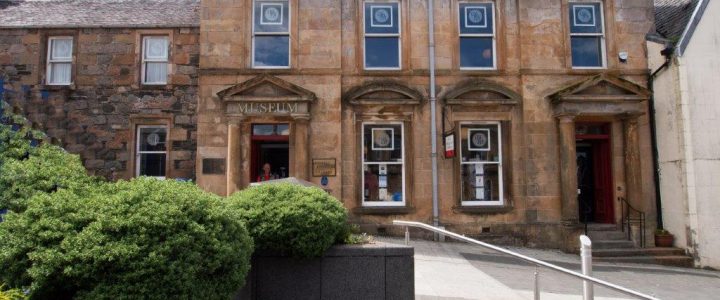
Queen’s Award for Voluntary Service awarded to West Highland Museum

Queen’s Award for Voluntary Service awarded to West Highland Museum

The West Highland Museum is very pleased to announce that we have been awarded the Queen’s Award for Voluntary Service, the highest award given to charitable organisations.  It is the equivalent of an MBE for volunteering.

Volunteers have been at the heart of West Highland Museum activities since it was founded almost 100 years ago.  However, over the past decade volunteers have made an even more important contribution to the running of the museum when free entry to the museum was introduced in 2011 to increase visitor engagement.  Over this period our visitor numbers rose from 9,000 – 60,800.  Volunteers have been core to our success and deliver core services at every level of the museum operations, from greeting visitors, to governance, to assisting with curation, DIY, and providing learning activities.

Ian Peter Macdonald, Chair of the Board of the West Highland Museum Trust said “The West Highland Museum are delighted that the value of their volunteers has been recognised for a Queen’s Award for Voluntary Service.  The volunteers who support our museum range from board members to acknowledged experts who give their time and intellect freely. The bulk of our volunteers are local enthusiasts who welcome the visitor to the museum with pride, knowledge and a generous smile. The museum provides a stimulating activity for an often, retired community where they enjoy their companionship with their colleagues, enjoy engaging with the visitor and where they can enjoy learning a little more every day.”


Perth Museum trip 2019 – Morag MacNeil Christine Hutchison Irving Nixon Jenny Beattie Sonja McLachlan Colleen Barker John Bruce David MacFarlane Vanessa Martin Betty Bruce & Alan Kirk

Coinciding with Volunteers’ Week, the Queen’s Award recognises that volunteers have been vital throughout the coronavirus pandemic, and will continue to be as the country emerges from lockdown.  Volunteers’ Week is an annual celebration for the UK to recognise those who have dedicated their time to support their local community, both through the pandemic, and over many years.

The Queen’s Award for Voluntary Service Independent Committee Chair Sir Martyn Lewis, said the awards “highlight the growing and key role which volunteers are playing in times of rapid change and unprecedented challenges. Whether driven by a neighbourly passion to help others or to achieve that well recognised “high” of personal satisfaction, volunteering taps into a rich spirit of generosity, ingenuity and kindness. The Queen’s Award’s judges are proud to honour the achievements of those who help to make our country great.”

Minister for Civil Society, Baroness Barran said, “I’m extremely grateful for the work being carried out by volunteers across the country, and this prestigious award is extremely well deserved. I’d like to congratulate all of the winners, and thank them for the dedication to their communities.”

Volunteers are essential to the success of the West Highland Museum.  Due to the impact of COVID-19 our volunteer numbers have halved since 2019.  If you would like to join our dynamic volunteer team, please contact Sonja on 01397 702169 for an informal chat, or email us on info@westhighlandmuseum.org.uk 

MYseum May

MYseum May

Museums across the Highlands are welcoming back their local communities with free (or greatly reduced) entry, inviting them to see new exhibitions and acquisitions first!

To celebrate the reopening of museums, following COVID-19 lockdown restrictions, thirteen Highlands and Islands museums are taking part in a new MYseum campaign which sees them offering free (or reduced priced) entry to local residents for the month of May. 

Starting this Saturday (May 1) The MYseum campaign is designed to encourage residents local to each museum to rediscover the history and heritage on their doorstep and re-engage with their local museums, many of which have remained closed for the past year. 

Local museums, which are run primarily by volunteers, have been hit-hard during the pandemic as they rely heavily on income from visitors, but with support from XpoNorth Heritage and Museums and Heritage Highland many have worked hard during lockdown to reimagine their offering and produce engaging online content to stay connected to their communities – locally and internationally. Examples include Groam House Museum’s ‘Groam at Home’ collection which saw worldwide attendees discover and enjoy the museum’s content and its work to digitise the George Bain Collection, a recognised collection of national significance to Scotland. Highland Folk Museum launched its Badenoch Shinty Memories project and an online exhibition titled ‘Am Baile’ and West Highland Museum created a digital gallery in partnership with the University of St Andrews showcasing 100 objects in its collection.

As lockdown restrictions ease, local museums are eager to welcome visitors back to their venues by extending a warm welcome to local families. Some of the museums taking part in the initiative include Glencoe Folk Museum, which is putting its hugely popular Clan Donald Genealogical Chart on display; Museum of the Isles, Armadale Castle, Skye, which is launching a new outdoor learning space in early summer for Covid-safe family activities and events; Art Fund Museum of the Year, Gairloch Museum which has a new animation on the Gille Dubh, narrated by Sam Heughan, a new exhibition on Botanical Art by Cindie Reiter and a new photography exhibition, Scotland from the Sky to share; Highland Museum of Childhood, which will be unveiling its new main gallery following a lockdown refurbishment; Dingwall Museum, which will be opening with a fantastic new installation of the Conan Pictish Stone; Cromarty Courthouse Museum, which has installed a new digital sound system over lockdown and is launching a new soundscape experience, scripted and voiced by local people; Groam House Museum is launching with a fascinating exhibition, The Book Of Kells, Some Mysteries Revealed, exploring how The Book of Kells has inspired two specific artists and craftspeople: George Bain and Thomas Keyes; Inverness Museum and Art Gallery has created a dog-themed family trail around the museum to launch its latest acquisition: ‘On the Moors’ – an oil painting by Richard Ansdell; and Grantown Museum has a brand new Victorian  gallery to explore, ‘Grantown: 1882’ including 21 gorgeous replica costumes on display ready for its ‘Adventures in Costume’ project to begin. 

Six further museums, Castlehill Heritage Centre, West Highland Museum, Wick Heritage Museum, Brora Heritage Centre, Tain Museum and Nairn Museum are all expected to re-open in June. 

Talking about the MYseum campaign, Nicola Henderson, Heritage Sector Specialist at XpoNorth said: ‘’The independent museum sector has been hard hit during the pandemic with some museums not being open since the end of 2019. However, with support from organisations such as XpoNorth and Museums and Heritage Highland, all have been very agile in finding new ways to engage online and through collaborating with each other on activities such as the beautiful Highland Threads exhibition, showcasing 14 costumes from across the region through video and photography, and the Highland Objects podcast series. Now they are ready to welcome back visitors and they want to start with their local community. Staff, volunteers and visitors will all be nervous as we adjust to visiting venues again so their invitation to the community is to say thank you and welcome back, allowing them to engage with their exhibitions and new objects on display first and to help build confidence for all in this new world.’

Museums are offering free or reduced entry for local residents on presentation of proof of address. Re-opening dates vary. For detailed information on opening times and booking policies, please contact the museum directly before travel. 

-ENDS-

Museum Details 

Glencoe Folk Museum

Reopening 13th May – Thurs-Sunday only, 11-3pm, last entry 2.30pm. 

Free entry to locals

Museum of the Isles, Armadale Castle, Skye

Reopening – 26th April. Open daily 9.30 – 17.30, museum 9.45 – 17.00

Paid entry for all – but significant discounts for locals (Skye, Lochalsh, Mallaig) 

Gairloch Museum

Reopening – 27th April

Free entry for locals from April 27 to May 15 – contact the museum on 01445 712 287 or by email to office@gairlochmuseum.org to arrange your booking. 

Ullapool Museum

Reopening – 30th April – 22nd May for Locals 

Free access for locals, but donations welcome.

Castlehill Heritage Centre 

Reopening – early/mid June  

Entry always free to all – donations welcome.  Fully accessible and ample parking.

Wick Heritage Museum

Reopening 4th June

Free entry to locals for first 2 weeks

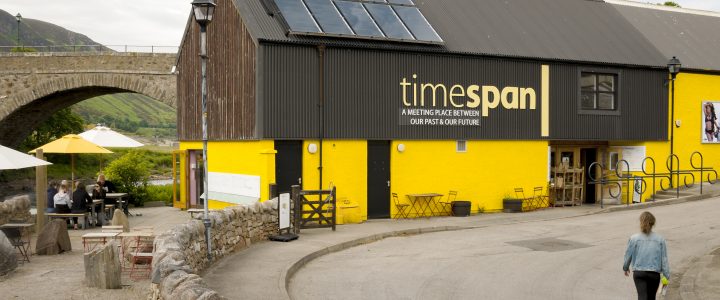
Timespan 

Reopens on May 17th, 2021
Price: Adult £4, Concession £3, Child£2, Family£10 (2 adults & 2 children), Group concession (over10 people) £2.65, Group £3.50 (over 10 people), School group £1.75.

Free entry to locals and members.

Opening times: every day, 10am – 5pm.
Please note, the museum and cafe capacity have been reduced to ensure social distancing. You can book a slot in advance by contacting us on 01431 821327 | enquiries@timespan.org.uk

Brora Heritage Centre

Re-opening: End June (date TBC

Historylinks Dornoch

Reopening – Monday 26th April. 

Admission £4 for adults £3.00 for concessions. Members and children are free. We have a limit of 10 people in the museum and this is controlled by a traffic light system. Online booking is available but not essential.

Open day with free admission to the local community on Saturday 22nd May (TBC)

Tain Museum

Reopening – 28th June. Free for locals

Tarbat Discovery Centre

Reopening – 1st May.  pre booked visits only for up to 6 individuals from two households. Please go to https://www.tarbat-discovery.co.uk/booking-formpage to view the available times and book your visit. 

Highland Museum of Childhood

Reopening – Thursday 20th May and will be open Thursday to Saturday, 11:00-16:00 and Sundays, 12:00-16:00. 

Free access to all for May.

Dingwall Museum

Reopening – mid May, exact date TBC. 

Free for all

Cromarty Courthouse Museum

Reopening on Saturday 29th May, our 2021 season will run to Thursday 30 September.

Opening hours: 12.00am – 4.00pm on Tuesdays, Wednesdays, Thursdays, Saturdays and Sundays plus Bank Holiday Mondays. Closed on Mondays and Fridays.

Free admission to all.

Groam House Museum

Groam House Museum, High Street, Rosemarkie IV10 8UF
https://groamhouse.org.uk

Reopening 1st May – weekend afternoons only. Additional opening over the summer. Please book via our website or at the museum.

Entry to the museum is free. 

Inverness Museum and Art Gallery 

Reopening – 27th April. Entry by donation. Booking is advisable (as we have a maximum capacity) but not essential. 

Tuesday – Saturday: 10.00-13.00 and 13.45-17.00  (last booking at 16.00)

Sunday & Monday: CLOSED

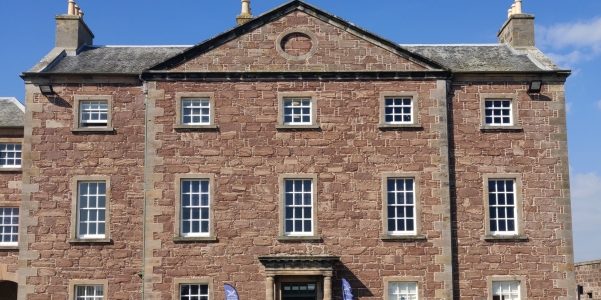
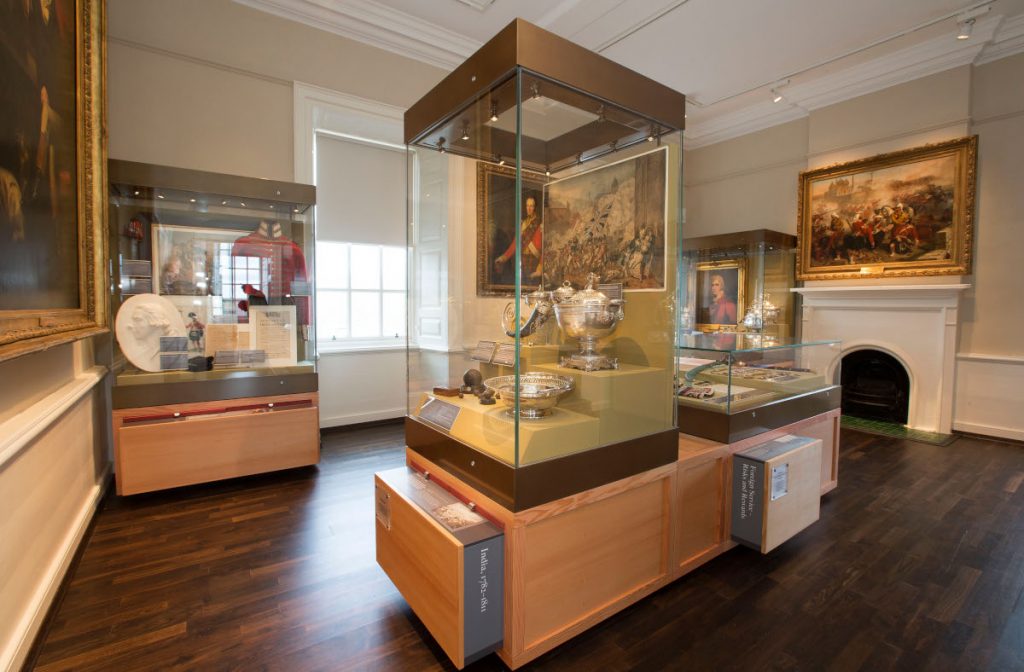
Highlanders Museum, Fort George

Reopening – 30th April, everyday from 10am. Entry to museum is free, but you do have to pay to enter Fort George – unless you become a member of the museum (£10 a year) then you can get full free entry. https://www.thehighlandersmuseum.com/

Nairn Museum 

Reopening – start of June (TBC Thursday 3rd) Limited day of opening,  Thursdays, Fridays and Saturdays, 11-3pm

Grantown Museum 

Reopening – 1st May, everyday apart from Tuesdays. Free access to all in May

Highland Folk Museum 

Reopening – 5th May, entry by donation.  7 days 10am – 5pm

Collaborative Project links:

Highland Threads – www.HighlandThreads.co.uk

Highland Objects – https://highlandobjects.wordpress.com/

Thanks to Gairloch Museum for the picture – featured are the Front of House team Eilidh Smith, Beryl Seaman and Barbara Mackenzie

Glencoe Folk Museum

Glencoe Folk Museum

Set within traditional 18th century heather-thatched cottages, Glencoe Folk Museum holds an eclectic array of objects celebrating local heritage and providing an insight into the history of the area and its people.  Hear the story of the infamous Massacre of Glencoe, see Jacobite weaponry, explore an authentic ‘cruck’ cottage and learn about Highland life from the 17th Century right up to the present day.

Website – www.glencoemuseum.com
Facebook @GlencoeFolkMuseum,
Twitter @Glencoe_Museum,
Instagram @glencoefolkmuseum.

Reflecting on Highland Threads

Reflecting on Highland Threads

Catriona Davidson, curator at Glencoe Folk Museum, writes about being part of the Museums and Heritage Highland Network and getting involved in the Highland Threads Exhibition.

Being part of Museums and Heritage Highland has been fantastic for Glencoe Folk Museum. As a small museum with only one full-time member of staff (myself, though the past couple of years we have employed a Redevelopment Manager), having access to the resources, expertise and advise of staff across a range of Highland museums has been invaluable. 

Highland Threads is a great example of how MHH has helped smaller museums. We chose to put forward our 18th Century Spitalfields Silks dress for the exhibition, partly because it is the most beautiful item of costume in our collection and partly because it required more work than can be done with just one member of staff. The dress has been on an inappropriate and unsuitable mannequin for years: it was the wrong shape for the style and was putting strain on the already damaged silk. Previous attempts to remove or improve the dress led us to the conclusion that once it was removed from its current mannequin it would not be going back on, and we didn’t want to handle the fragile material more than once. That meant that before we did anything we needed a suitable replacement mannequin, the assistance of a conservator to direct us in how to handle the dress and to make a condition assessment while it was loose, the input of someone who could tell us how the dress would have been worn so that we could fashion the mannequin appropriately, plus funding for all of the above! So, when Highland Threads came along, it seemed like the perfect opportunity for us to achieve something that we had been working towards for years, while also getting to contribute to a fantastic collaborative project. 

Another unexpected bonus for us was that we discovered more about the history of our dress. This dress has very little provenance other than that the silk was woven probably in Spitalfields in 1740, and it was being used as a dressing up costume (and was put in the washing machine!) before being donated to the museum in the 1970s. However when MHH took on the services of Rebecca Olds, a Dress Historian with particular expertise in 18th Century costume, she was able to read the history of the dress in its stitches, tucks and threads, painting a detailed picture of a well-loved gown that was passed down through different generations and fashions. It is so much more than we ever expected when we joined this project, and certainly much more than we would have likely achieved by ourselves.   

Seeing our dress up on the website alongside beautiful, intricate and fascinating items from other museums makes us really feel like part of a Highland museum community, and we’re so grateful to MHH for creating opportunities like this for small museums. 

You can visit www.highlandthreads.co.uk to see the full exhibition and support Highland Museums.

Highland Threads…Getting Inventive in Glencoe

Highland Threads…Getting Inventive in Glencoe

This week we are joined by conservator Rachael Thomas who has worked with our museums to provide some much needed love and care for some of the costumes and to assist with mounting them before their image was to be captured.

When I was first asked if I would be interested in helping to mount some costumes for an upcoming project I jumped at the chance. I feel very privileged that over the years I’ve been given the chance to have a nosey within the stores of many of the museums involved, but even for me it’s pretty rare to get a chance to look at costumes and textiles as, being some of the most fragile things we care for, they are often packed away to avoid damage from light and handling.  

Working with museums across such as huge area initially sounded daunting, especially given that the distance between the most northern and southern venue is almost 200 miles. But it’s a credit to every museum within the area that with enthusiasm and pragmatism they were able to transport items to a few key hubs in the more rural areas. In each museum an open area suitable for mounting and photography was found or created, and where possible I was provided with photographs of the costumes being worn by their original owners which helped to give me a background on what I was looking to achieve.

On paper there isn’t much to putting a costume on a mannequin – any areas that require more support are padded with polyester wadding which is sewn on to the mannequin, and a cover material is added to ensure that the wadding doesn’t snag on to the interior of the costume. But when it comes to mounting historical clothing the standard size of mannequin often doesn’t represent who a dress was made for, especially when you factor in tiny waists and small statures. And within this collection of costumes three of the dresses have also been modified by family members of their first owner. As very specific shapes for a very specific person, getting these items to look correct on a modern mannequin was often both tricky and time consuming. The undergarments also play a huge role in supporting these unusual shapes. There’s always an element of ‘make do and mend’ when working within small museums, and in the case of creating the exaggerated sides of the Glencoe silk dress we knew that no matter how much polyester wadding we used it would never be enough, so we ended up with a full-sized bustles on either side of the mannequin.

What’s always great about doing an exhibition is that not only do we get to show off some of our objects that otherwise would be within store, but also that by collaboration we can learn so much more about the objects themselves. In this case, being able to remove Dornoch’s silk dress from it’s previous mount gave us a chance to scrutinise the interior stitching, which in turn tells a story about how the upper part of the dress has been modified over the years. It was incredibly odd to be looking at a dress in Dornoch, using my phone to show dress historian Rebecca Olds in Sussex, what the interior stitches look like. Within only a few minutes of this she was able to confirm that fewer alteration had been made than she had previously though. What a brilliant use for technology and what a rewarding experience knowing that my work can in turn help inform Rebecca, the museum’s curator and everyone else out there with an interest in this dress.

I think there can sometimes be a misunderstanding that people who work within museums would ideally like everything packed away in safety, in a dark, locked storeroom. But that’s not true – the delight on the faces of staff and volunteers who were able to see their costumes out of boxes and mounted ready to be shown to the world was a real reward. With such amazing collections, and interest from across the world, I hope this is the first of many excuses to have a rummage around our collections and share some more of the gems we have hidden within museums across the Highlands. 

Launching 1 April 2021, Highland Threads exhibition will be found at www.highlandthreads.co.uk, but until then you keep up to date with progress here (on the MHH site) and across social media using #HighlandThreads. Book tickets for the launch here.

Our partner museums are: Glencoe MuseumInverness Museum & Art GalleryGairloch Museum, Ullapool MuseumGrantown MuseumWest Highland MuseumHighland Museum of ChildhoodCastlehill Heritage CentreTain through TimeWick Heritage MuseumHighland Folk MuseumGroam House MuseumStrathnaver Museum and Dornoch Historylinks.