
Across the Highlands, independent museums have so much to offer their visitors and communities, but finding the time and resources to develop new income streams, reach new audiences and plan for the future can be a real challenge. At Museums and Heritage Highland, we’ve been exploring how practical, shared support can help museums build on their strengths and develop new opportunities for growth.
That’s where Pathways to the Future comes in. Funded by Museums Galleries Scotland, this two-year pilot is exploring whether a shared-services approach can help rural museums become more sustainable, resilient and better equipped for the future. Working alongside eight independent museums, the project brings together shared administrative support, commercial expertise, leadership development and governance and wellbeing support, with the aim of reducing pressure, strengthening organisations and creating a model that could continue long after the pilot ends.
As our Commercial and Sustainable Development Manager, Emma plays a key role in helping the museums explore opportunities to grow their income, develop their offer and build a more sustainable future. In this latest Meet the Team blog, Emma shares her experiences and reflections on getting started with the project.
Emma’s journey so far.
When I first saw the Pathways Project and the roles being advertised, the aims and objectives immediately resonated with my experience. At the time, I was Manager of a museum in Argyll and Bute, working within the challenges of a rural location, a small staff team with limited capacity, rising living costs affecting visitor numbers, and an increasingly difficult fundraising environment. Not to mention a very long list of things to do!
In this role, and in the museums I had worked in previously, part of my focus had been on developing opportunities to generate income and improve sustainability. The Pathways Project offered an opportunity to apply that experience in a different context, and to explore whether shared services could help museums increase their capacity and resilience in a sustainable way.
I am now two months into the project, and have been getting to know the eight museums involved. My interest in heritage ultimately comes from a belief in the value of sharing collections and history with the public, and there are plenty of stories to tell across the museums involved: from Pictish stones to childhood dolls and clan histories. It has been a privilege to work with such a varied group of museums, and with staff and volunteers who are committed to developing what they can do.
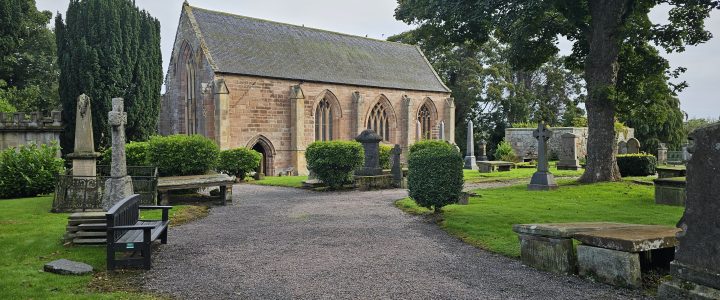
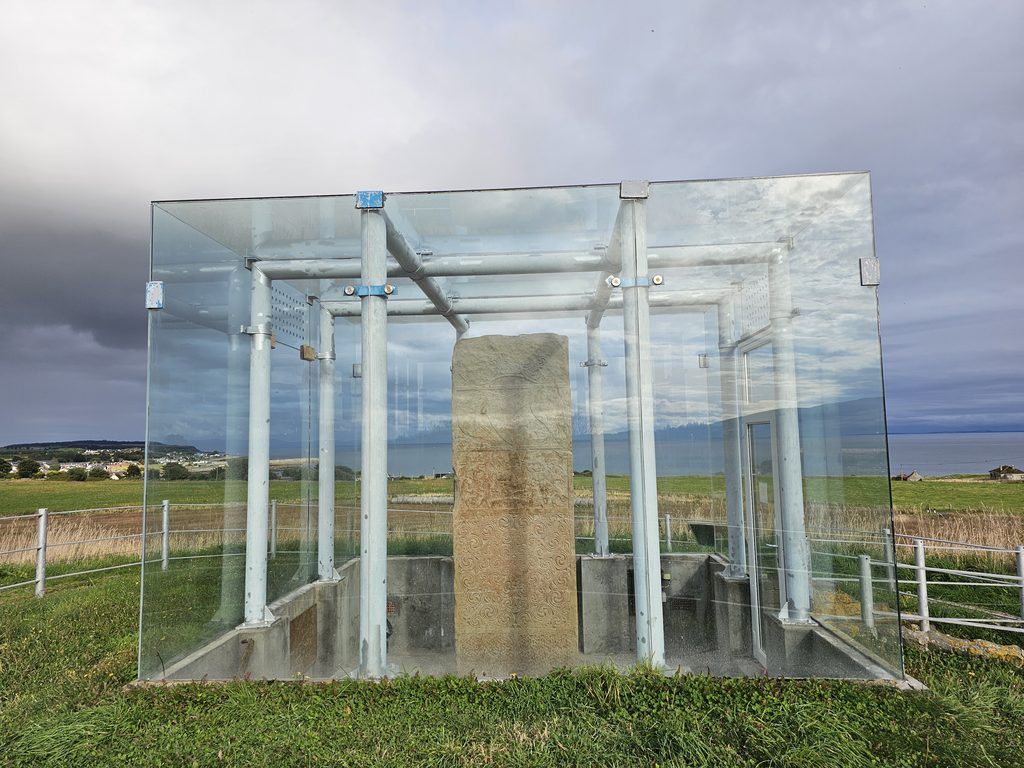
It has also been a great opportunity to get to know an area of the country that I haven’t explored much before. The two museums I have visited so far, Tain & District Museum and Tarbat Discovery Centre, are both set within a remarkable landscape. I couldn’t resist taking a trip along the Pictish Trail while I was there.
There are also lots of interesting projects on the go: from podcasts at Grantown Museum, to traditional skills being replicated at Tarbat and Historylinks; physical and digital tours at Tain and the Highland Museum of Childhood; modern art exhibitions at Strathnaver and Mallaig; community events and engagement at Waterlines; and much more to discover. I have enjoyed learning about the different ways museums are using their collections and programmes to reach new audiences.
Although the museums are very different in size, location and collections, there are some common themes emerging. Capacity is a recurring challenge, with staff balancing day-to-day operations alongside fundraising, collections care, programming, marketing and everything else that comes with running a museum. That makes finding practical ways to generate additional income particularly important: not as an end in itself, but because greater financial resilience can create more capacity to deliver the work museums want to do.
Over the next two years, I will be working on commercial planning for all eight museums. This will involve developing commercial plans and putting some of the resulting objectives into practice. The aim is to improve their long-term sustainability, while also developing income-generating opportunities that could help support the project beyond its initial completion date.
Some of the areas we have been discussing so far include increasing donations, making memberships more appealing, exploring sponsorship opportunities and reviewing retail stock so that it better reflects each museum and its collections. Several of the museums are also interested in developing their digital capabilities and exploring opportunities to work with the travel trade.
I’m also interested in what can be achieved collectively. There may be opportunities for the museums to share knowledge, resources and approaches, or to develop activities together that would be difficult for one museum to deliver alone. Part of my role will be to explore where those opportunities genuinely add value, while recognising that each museum has its own community, audience and priorities.
There is a lot of potential in the project, and I hope that by the end of the two years the museums will have some practical new approaches to income generation, as well as greater confidence in their ability to develop these opportunities themselves. Most importantly, I hope it will help create some additional capacity for the people who keep these museums running, giving them more time to focus on the work that matters most to them and their communities.
Thank you to Museums and Heritage Highland for the opportunity to be part of the project.